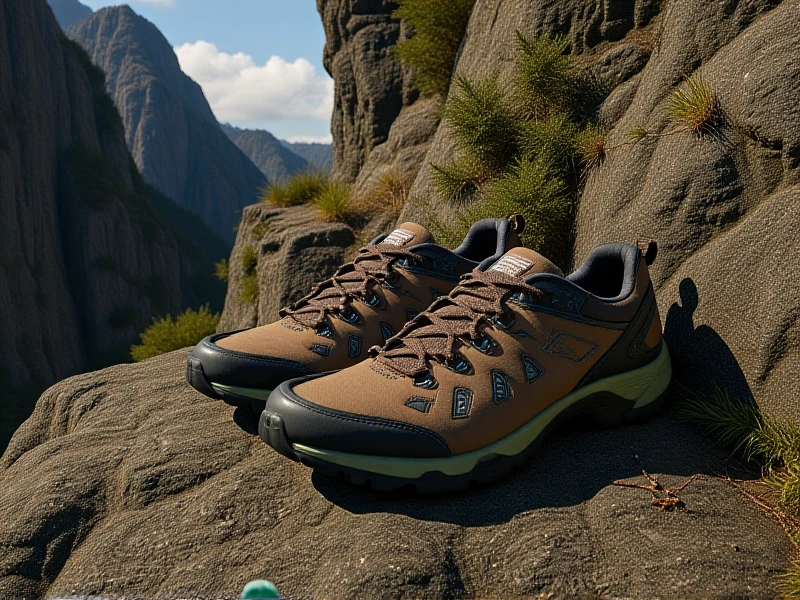
Unleash Your Trail: Master Your Next Hike with the Right Shoes
Hitting the trails is my escape, where every step feels like an adventure unfolding. But here's a secret: the game-changer isn't your gear bag or water bottle—it's a high-quality pair of trail shoes. As a hiking enthusiast, I've learned that trail shoes make all the difference on rough terrain, keeping you safe and comfy for miles. In this guide, I'll share why trail shoes rock and how to pick the perfect fit for your outdoor escapades. Stick around—it'll transform your next trek.
First, let's talk basics. Trail shoes are specially designed footwear for off-road paths, like mountain trails, rocky hillsides, or muddy forests. Unlike regular sneakers, they feature deep lugs for unbeatable grip, reinforced uppers to fend off rocks, and durable cushioning. Ever slipped on a slick surface? Trail shoes' rubber outsoles bite into uneven ground, giving you confidence even in wet conditions. Plus, they're lighter than bulky boots, so you'll glide over boulders without fatiguing fast. I often switch to trail shoes for day hikes—they're agile enough for quick climbs while offering ankle support to prevent twists on unpredictable trails.
Now, why should you invest in trail shoes? Their benefits shine through performance. For starters, enhanced traction means fewer falls on steep inclines or loose gravel. I've tested numerous brands, and the best trail shoes disperse shock seamlessly, reducing knee strain during long descents. They also drain water quickly after creek crossings, keeping feet dry and blister-free. And if you run trails like I sometimes do, trail shoes' responsive soles amp up speed without sacrificing protection. Trust me, one hike with snug trail shoes, and those flimsy sneakers will gather dust.
Choosing the right pair involves some know-how. I always advise checking the terrain: for rocky areas, opt for stiff-soled trail shoes with rock plates; soft dirt paths demand flexible ones for natural foot movement. Sizing is crucial—go a half size up for swelling during long outings. Brands like Salomon or Merrell deliver reliable options, but test them indoors first to ensure comfort over miles. Don't forget grip type: soft rubber trails better on wet surfaces, while firm lasts longer. On my last trail run, a well-fitted pair saved me from a tumble, proving that smart selection pays off.
In summary, trail shoes elevate any journey, combining safety with sheer fun. Start with a mid-range pair to see the magic, and soon, you'll conquer trails worry-free. Lace up, hit the path, and let those shoes fuel your wildest hikes. Share your favorite story or ask questions below—I'd love to hear from fellow adventurers!
( 412)