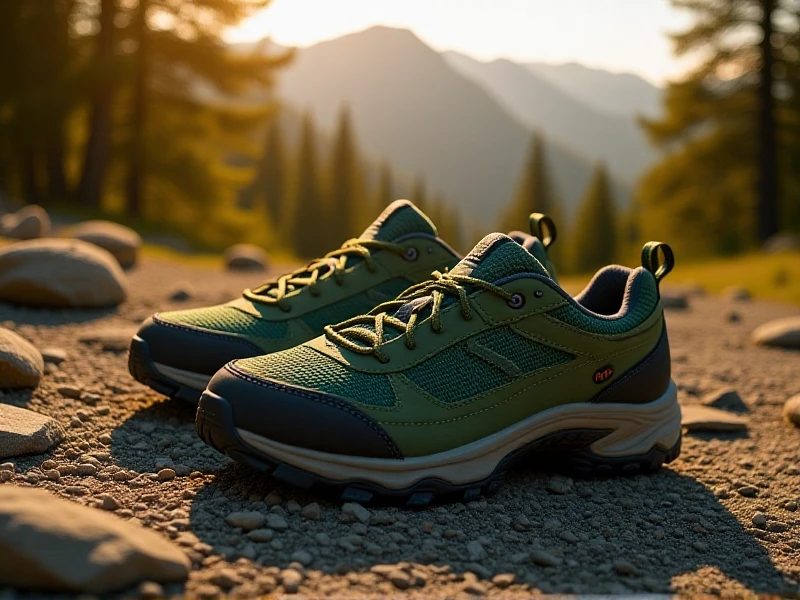
Finding Your Perfect Pair of Hiking Shoes: Your Trail Starts Here
Hitting the trails promises adventure and connection with nature, but the wrong footwear can turn a dream hike into a painful slog. Your hiking shoes are your most crucial piece of gear, directly impacting your comfort, safety, and enjoyment. Choosing the right pair isn't just about looks; it's about understanding your needs and the terrain.
Consider the Terrain: What kind of adventures are you planning? Cruising well-maintained trails calls for lighter hiking shoes. These offer flexibility and are often lower cut, like sneakers but with better support and grip. For tackling tougher paths with loose rocks, steep inclines, or carrying a heavier pack, sturdier hiking boots provide essential ankle support and durability. For technical scrambles where precise foot placement is vital, approach shoes, a hybrid between climbing and hiking shoes, offer incredible grip on rock surfaces.
Focus on Support & Traction: Regardless of style, support is paramount. Your hiking shoes should feel stable and cradle your foot to prevent rolling on uneven ground. Examine the midsole – it should provide cushioning without being overly soft. A deep, aggressive lug pattern is essential for grip, keeping you surefooted on mud, loose dirt, wet rock, and even snow. Vibram soles are renowned for durability, but other proprietary rubber compounds also perform exceptionally well.
Materials Matter: Durability and breathability hinge on the chosen materials. Full-grain leather hiking boots are incredibly tough and naturally water-resistant, but require breaking in and can be heavier. Split-grain leather usually features synthetic mesh panels, reducing weight and improving breathability – a popular choice for day hiking shoes. Synthetic materials (nylon/polyester) offer the lightest weight and quickest drying times, ideal for fast-and-light adventures and warmer weather.
Waterproofing: Yes or No? Gore-Tex or similar waterproof membranes excel in consistently wet conditions – think marsh crossings, snowfields, or rainy climates. They prevent water ingress but trap more heat, making your feet potentially sweatier in warm weather. Non-waterproof mesh hiking shoes offer superior breathability, cooling your feet during demanding ascents or hot days. Water drains quickly if submerged. It boils down to balancing dryness with temperature regulation based on your typical hikes.
Fit is King: This cannot be overstated. Always try hiking shoes on in the afternoon (feet swell!) with the socks you intend to hike in. There should be ample wiggle room for your toes to prevent bruising when descending. Your heel should remain firmly locked in place without any slipping. Walk on an incline/decline in the store if possible. Break new hiking shoes in gradually with short walks before committing to a big trek.
Ultimately, selecting your perfect pair of hiking shoes is a personal journey. Assess your trails, prioritize features like support and waterproofing, and prioritize an impeccable fit. Visit a reputable outdoor retailer for expert advice and try several brands – Salomon, Merrell, Keen, La Sportiva, and Oboz consistently rate highly. Your feet (and your future adventures) will thank you. Go try them out!